

POST 13: THE PEDIGREE SHOULD NEVER MATTER MORE THAN THE POODLE LIVING IN IT
I love purebred dogs. I love Poodles, I love their history, their intelligence, their structure, their character, and the generations of work that made them recognizable as the dogs we have today. Preservation matters to me. But preservation cannot become a word we use to protect every decision we want to make. If we are preserving a breed, we have to be willing to examine what we are preserving along with the qualities we admire.
A beautiful pedigree can make us feel very confident before a puppy has even been born. We recognize the names, we know the accomplishments, we picture what the combination might produce, and it becomes surprisingly easy to become attached to an idea before we have honestly evaluated the dogs themselves. What do we know about how those dogs lived? How comfortably did they move as they aged? What illnesses appeared after the breeding decisions had already been made? What were their temperaments like outside the ring and outside carefully managed situations?
Health testing is an essential part of responsible breeding, but we need to stop asking it to promise more than it can. A clear result for a known mutation answers a particular question. It does not tell us that the dog has no other inherited risks, and it does not evaluate every aspect of structure, behavior, fertility, or longevity. Hips, patellas, eyes, relevant DNA testing, family history, and observation contribute different information. We need to understand what each tool tells us and what remains unknown.
We also need enough understanding of inheritance to avoid replacing judgment with fear. A carrier result for a recessive condition is not the same as an affected dog, and removing every carrier without considering the mating and the wider population can discard valuable diversity. But that does not excuse careless breeding. It means we need to understand the condition, use reliable testing, choose appropriately, and be honest about what we are doing instead of turning the word “clear” into a marketing substitute for knowledge.
Genetic diversity deserves the same seriousness. A popular dog can contribute qualities that people value, but using the same family repeatedly because everyone recognizes it should make us pause. What are we narrowing? Which less common lines are being lost? Are we evaluating the long-term effect of our choices, or just trying to produce the next litter that will be easy to advertise? We cannot demand that future breeders preserve options we are unwilling to protect today.
And then there is temperament, which people sometimes treat as though it can be groomed, trained, or managed out of the breeding conversation. An intelligent dog that cannot recover from ordinary stress is still struggling. A beautiful dog whose daily life requires extraordinary management deserves honest evaluation. Early experience and the home environment matter, but they do not relieve breeders of responsibility for considering the temperament they are reproducing.
One of the most important forms of health information arrives years after the puppy leaves. That is why the relationship with puppy owners matters so much to me. I want to know about the good years, but I also need to know when something goes wrong. If an owner is afraid that telling the breeder about illness will bring defensiveness, blame, or silence, we have created a system that hides the very information we need to make better decisions.
The same applies between breeders. We cannot say we want transparency and then punish every person who acknowledges a problem. There is a difference between concealing a known pattern and honestly encountering an outcome no one could have guaranteed against. If we treat both the same, people will learn to hide, and the dogs will pay for the silence.
Sometimes the most responsible decision is to change a planned pairing, stop repeating a combination, wait for more information, retire a dog, or not have the litter. Those decisions can cost us money and hopes and years of planning. That does not make them wasted. It means we were willing to let what we learned matter more than what we wanted.
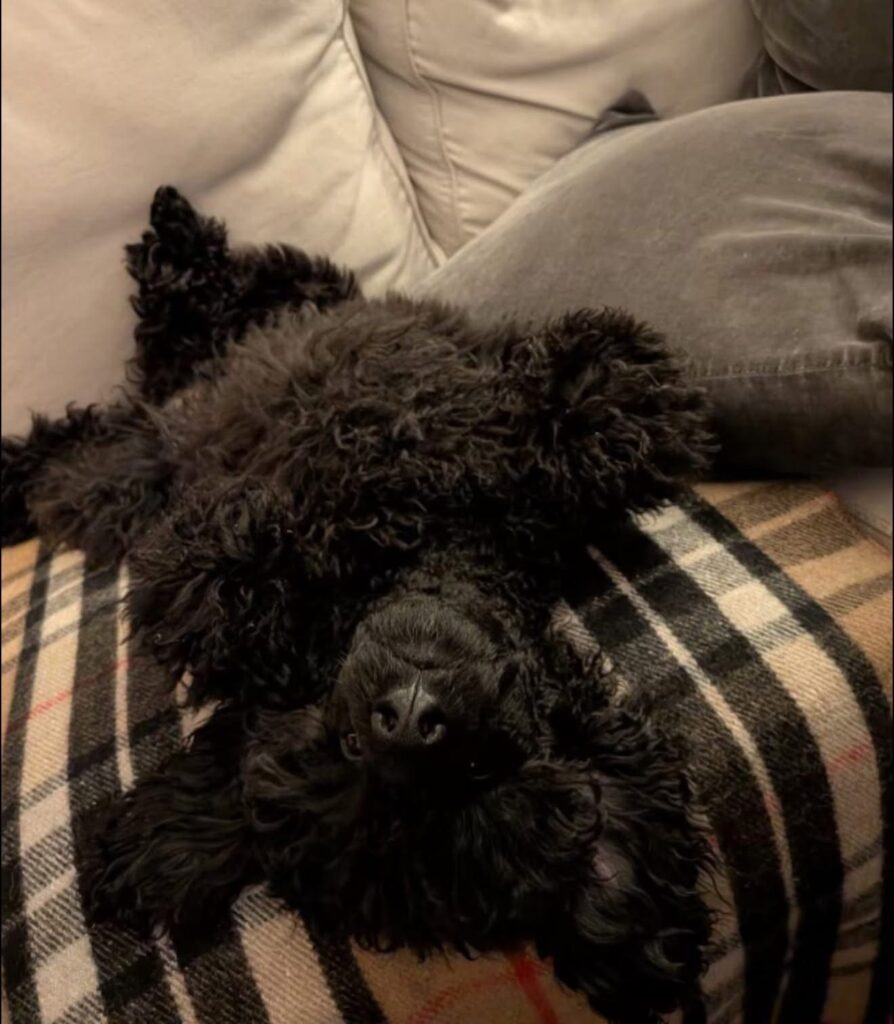
I want the Poodle I produce to be able to live comfortably in an ordinary home, with a body and mind that support a full life. The photograph matters for a moment. The dog has to live with our decisions for years. ❤️🐾❤️


Leave a Reply