

PART SEVEN: BUYERS ARE PART OF THE SYSTEM
This series began by asking what kind of breeder stands behind a litter, but any honest examination of breeding eventually reaches another participant whose choices shape the system just as powerfully as those of the person planning the mating: the buyer.
That statement may sound like an attempt to transfer responsibility away from breeders, particularly after six parts examining selection, registration, money, doodling, backyard breeding and the deterioration of once-respected programs. It is not. The person who chooses to create a litter carries the greater burden because breeders possess, or should possess, knowledge the average family does not. They select the parents, interpret the pedigree, determine the conditions in which the mother carries the litter, raise the puppies, shape the promises used to market them and decide which homes will receive them.
A family searching for a companion cannot reasonably be expected to understand population genetics, breed structure, reproductive medicine, coat inheritance, neonatal development and generations of pedigree information before purchasing a dog. Ethical professionals do not wait for inexperienced people to discover every correct question independently but teach what families do not yet know they need to ask.
Buyer responsibility must therefore be discussed without pretending that breeder and buyer possess equal knowledge or power. A first-time family may be navigating polished websites, private certifications, professional photographs, carefully worded guarantees and emotional promises designed by people who understand exactly how trust is created. Someone successfully misled by sophisticated marketing is not morally equivalent to the person who constructed the misleading claim. Education should help families recognize the system without humiliating them for once believing it, because truth should create discernment rather than shame.
Greater responsibility resting with the breeder does not make the buyer powerless. Markets learn from what people reward, which means every deposit, purchase, recommendation and social media share contributes to the kind of breeding that remains profitable and culturally desirable. When families repeatedly demand immediate availability, unusual colors, extremely small sizes, guaranteed non-shedding coats, convenient shipping and emotionally attractive promises, someone will continue producing dogs to satisfy those expectations. The market does not examine whether demand is wise before responding to it but simply learns what sells.
The first responsible decision, however, occurs before choosing a breeder or breed. It asks whether this is the right season of life to acquire any dog at all. Housing restrictions, landlord policies, insurance exclusions, employment, travel, children, existing animals, physical ability, household agreement and long-term financial capacity all influence whether a dog can be supported responsibly. Future possibilities involving illness, divorce, military deployment, job loss, relocation, aging parents or changes in health cannot always be predicted, but they should at least be considered before another life becomes dependent upon the household.
Families should select according to the life they actually live rather than the life they imagine beginning after the puppy arrives. Someone who dislikes grooming will not become devoted to coat maintenance merely because the puppy is adorable. A sedentary household may not transform into an athletic one because a working breed requires exercise, and a person frequently away from home may not suddenly possess the time required by a socially dependent young dog. Hope is valuable, but it is not a care plan.
Waiting may sometimes be the responsible choice. Another household may be better suited to an adult dog, a retired breeding dog or a rescue whose mature size and temperament are already visible. Wanting a puppy does not create an obligation to obtain one immediately, and recognizing that the present circumstances are wrong represents maturity rather than failure.
Modern puppy buying frequently begins with convenience. A family decides it is ready for a dog, searches online and expects to locate the desired breed, sex, color and age within a few weeks. A waiting list maintained by a careful breeder can feel unnecessary when another website displays several litters, accepts immediate deposits and promises delivery.
Responsible breeding does not operate like retail inventory. The appropriate female may not come into season when expected, a mating may fail, new health information may cancel the plan, the litter may not contain the preferred sex or a suitable puppy may not exist for a particular family. A breeder willing to disappoint a buyer rather than force a match is demonstrating restraint, not poor customer service.
Waiting is not a ceremonial obstacle designed to make a puppy appear exclusive. It allows time for the right breeding to occur, the puppies to develop and the breeder to determine which temperament belongs in which home. A family unwilling to wait for evidence may instead purchase whatever is available, teaching the market that convenience deserves a greater reward than preparation.
Geography creates a related pressure. Families may choose the nearest breeder, demand cargo shipping or expect a puppy to be delivered directly to their door because distance and travel are inconvenient. A thoughtful breeder may require personal pickup, a long drive, an overnight stay or waiting until safe transportation becomes possible. No one should ignore genuine limitations involving disability, finances or distance, but convenience should not determine the source of a commitment that may last fifteen years. Safe transportation and reasonable inconvenience belong to the buyer’s share of protecting the puppy.
Color exerts similar influence because visual preference is easy to understand and emotionally powerful. People naturally find certain colors or markings attractive, and expressing a preference is not inherently irresponsible. The problem appears when color becomes the condition determining whether a puppy is wanted while structure, temperament, health and compatibility become secondary.
Breeders notice what buyers request. When unusual colors, exaggerated markings or increasingly tiny dogs command higher prices and fill waiting lists more quickly, selection begins moving toward whatever the market rewards. Characteristics that should remain one consideration among many become the purpose of the breeding, while qualities necessary for a sound life receive less attention because they are harder to photograph and market. One fashionable purchase may appear too small to influence a breed, but markets are constructed from thousands of individual choices that each seemed too insignificant to matter.
Advertising language deserves particular scrutiny because buyers rarely purchase only a dog. They purchase an expectation. Terms such as hypoallergenic, non-shedding, therapy potential, family raised, ethically bred, health tested, champion lines, holistic, miniature, rare and temperament guaranteed create an emotional picture before the evidence has been examined.
No label should be accepted without asking what it means within that particular program. “Health tested” may describe comprehensive breed-specific evaluations publicly recorded through appropriate databases, or it may refer to one commercial DNA panel. “Home raised” may mean puppies living beneath the breeder’s feet and receiving continual observation, or it may indicate only that a whelping room exists somewhere inside a house. “Champion lines” might describe titled parents evaluated directly, or one distant ancestor whose name has been repeated through generations of marketing.
Natural and holistic language requires the same discernment. Species-appropriate nutrition, reduced chemical exposure and thoughtful husbandry can support vitality, but those practices cannot replace pedigree knowledge, sound structure, stable temperament or preservation purpose. A breeder feeding beautifully can still make careless genetic decisions, just as someone producing champions can raise dogs under conditions contradicting every principle being advertised.
Buyers need to move beyond asking whether a breeder uses the correct words and investigate what those words require the breeder to do. Registration records should be seen rather than assumed, health results verified through the relevant public database whenever possible and evaluations matched to the breed, variety, family and age of the dog rather than whichever tests were easiest to complete. Pedigrees deserve attention beyond famous names, particularly when recurring health, temperament or longevity concerns exist within the family.
Meeting the parents can provide useful information but cannot tell the entire story because the sire may live elsewhere and both parents may appear healthy while carrying vulnerabilities visible only through relatives or previous offspring. Mature siblings, grandparents, earlier litters and retired dogs frequently reveal more about generational outcomes than the carefully groomed pair presented for the current breeding.
Current living conditions matter as much as historical accomplishments. Families should understand where all the dogs live, including adults and retirees, how many animals the breeder owns or controls through other homes, who provides their daily care and whether those numbers remain compatible with meaningful individual attention. A beautiful puppy room cannot answer those questions, nor can photographs taken years earlier establish the conditions in which dogs are living today.
Physical access may occasionally be limited for legitimate reasons involving neonatal disease protection, privacy, geography or security. A breeder restricting casual visits should still provide reasonable transparency through live video, current photographs, veterinary relationships, trusted references or other methods showing more than carefully selected promotional images. Biosecurity should protect puppies without becoming a permanent curtain behind which no meaningful verification can occur.
References also require interpretation. A list supplied by the breeder will naturally contain satisfied families, while online reviews often reflect the easiest stage of ownership when puppies are young and excitement remains high. More informative conversations involve owners of mature and elderly dogs, families who encountered health or temperament difficulties and people who learned how the breeder responded after the experience stopped being uncomplicated.
Professional recommendations should not replace investigation either. Veterinarians, trainers, groomers, rescues and social media educators often function as informal gatekeepers whose opinions carry enormous weight with families. A veterinarian may understand individual health without possessing detailed knowledge of breed preservation, a trainer may recognize behavior without having examined generations of pedigree information, and a groomer may understand coat while knowing little about how the breeding was selected. Professional status in one field does not automatically establish expertise in every dimension of breeding.
Families should ask what qualifies the recommending person to evaluate that particular program, whether the individual has seen the adult dogs, verified health testing, followed previous puppies or merely knows one pleasant example. A well-meaning referral can still direct buyers toward a program that has never been examined closely.
No breeding program can promise biological perfection. Even carefully selected parents may produce unexpected illness, structural difficulty or temperament concerns because living systems are not manufactured products. Demanding the absence of every problem creates an impossible standard, while denial, concealment and repetition of known problems remain serious failures.
Accountability becomes clearer when a buyer asks what happened after something went wrong. Did the breeder listen, investigate and remain involved, or blame the family immediately? Was related information collected and used in future decisions? Did support arrive without a demand for silence intended to protect the kennel’s reputation? Were other affected owners informed when appropriate? The response to difficulty may reveal more than the original problem.
Puppy selection creates another place where buyers influence breeding culture. Many families expect to choose at birth or select according to photographs because purchasing has trained us to equate payment with control. A breeder observing the litter for weeks may recognize differences in resilience, confidence, sensitivity, energy, sociability and recovery that no photograph can reveal.
Allowing the breeder a meaningful role in matching is not surrendering every preference or agreeing to accept a dog blindly. It recognizes that the person raising the litter possesses information unavailable to someone visiting briefly. Families should describe their lives honestly, including children, other animals, work schedules, activity, grooming ability, training experience and future plans, while breeders should explain why a particular puppy appears compatible. An unsuitable match does not become responsible merely because the buyer chose it personally.
Honesty during the application process is therefore essential. Concealing plans for breeding, minimizing the number of hours a dog will remain alone, misrepresenting housing restrictions or telling the breeder whatever appears necessary to obtain a puppy places the future dog inside a decision built upon false information. Matching can be no more accurate than the reality presented.
The same honesty must continue after placement. Breeders cannot evaluate generations when families report only good news, disappear when problems arise or avoid sharing diagnoses because they fear blame. Information concerning allergies, orthopedic disease, seizures, reproductive problems, temperament, adult height and weight, coat development, fertility, longevity, daily function, quality of life and cause of death may influence decisions affecting dogs not yet born.
Generational knowledge cannot be built only from crises. A dog reaching old age with sound movement, stable temperament and good health provides valuable evidence too. Routine outcomes, normal veterinary findings and the ordinary details of a long life contribute to a more accurate understanding of the family than dramatic problems alone.
Reporting a concern is therefore not betrayal but a contribution to the truth the next generation needs. Breeders must create a climate in which honesty is safe because families will remain silent when every issue is dismissed as improper feeding, vaccination, training or veterinary care. Husbandry profoundly influences health and behavior, but it cannot become an automatic explanation protecting genetics from all examination.
Owners should likewise avoid attributing every difficulty to breeding. Nutrition, exercise, body condition, training, socialization, reproductive decisions, environmental stress and medical care all influence the life expressed from inherited potential. Development unfolds through a continuing relationship between genetics and environment, which means breeder and owner possess different parts of the same responsibility. A thoughtful conversation asks what both sides can learn rather than which side can escape blame.
Respect for breeder knowledge should never require surrendering judgment. A responsible breeder mentors without attempting to control every medical, personal or legal decision after placement. Families retain the right to seek veterinary care, obtain second opinions, question recommendations and protect their dog when circumstances require it.
Contracts and breeder authority should never be used to intimidate owners into delaying necessary treatment, following medical instructions beyond the breeder’s qualifications, concealing diagnoses, surrendering legal rights they do not understand or remaining silent about welfare concerns. Stewardship creates a relationship of shared responsibility, not permanent authority for one person over another.
Preparation before purchase must extend beyond the initial price. Grooming, training, food, veterinary care, emergency treatment, boarding, fencing, travel and changes in housing or employment may cost considerably more across the dog’s lifetime than the puppy itself. Financial hardship can affect anyone, and wealth does not prove devotion, but acquiring a dependent life without considering foreseeable needs transfers avoidable risk to the animal.
The ability to produce a large purchase price at one moment does not establish lifelong responsibility, just as needing time to save does not make someone incapable of providing an excellent home. What matters is whether the family has developed a realistic plan for routine expenses, emergencies and interruptions in income through savings, insurance or other dependable resources.
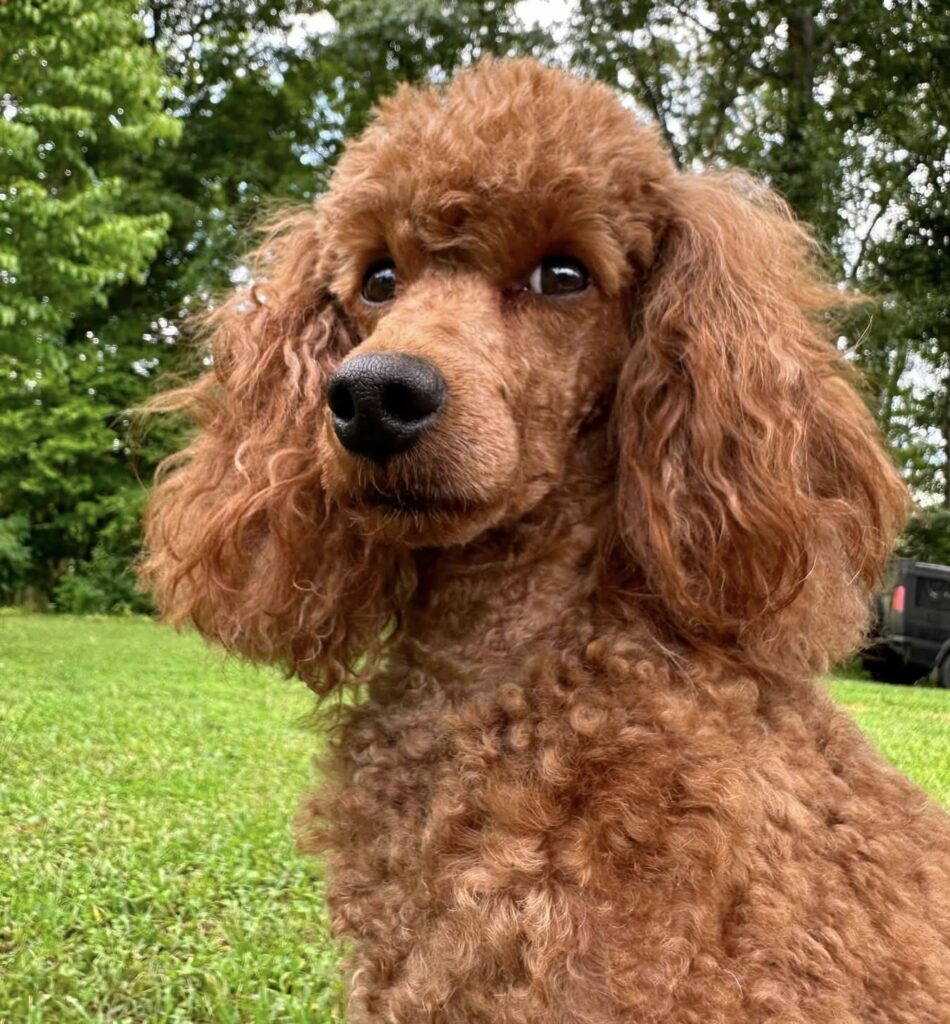
Breed-specific requirements also deserve serious consideration. A Poodle needs regular grooming and coat maintenance. A working breed may require substantial physical and mental engagement. A sensitive dog may need thoughtful handling rather than chaotic exposure. Families deserve accurate information before committing, but once informed, they must decide whether they genuinely want the dog as it exists rather than an imagined version requiring less time, money or adjustment.
Responsibility continues when ordinary life becomes inconvenient. Adolescence may bring testing behavior, house training can require patience, grooming appointments may be costly and a puppy may not fit seamlessly into a household during the first weeks. Returning a genuinely unsuitable dog can sometimes be the most responsible decision, but treating rehoming as the first response to predictable developmental challenges reflects a consumer relationship rather than stewardship.
Seeking help early protects the dog and preserves options. The breeder, veterinarian, qualified trainer, groomer or behavior professional should be contacted before frustration becomes crisis. Waiting until a problem has continued for months can reduce possibilities for resolution, just as hiding the situation from the breeder removes the person who may understand the line and possess the greatest obligation to assist.
No dog produced by a responsible breeder should be surrendered, sold or quietly rehomed without that breeder’s knowledge and involvement. Circumstances may sometimes make an approved direct placement kinder than physically returning an elderly, medically fragile or sensitive animal, but the breeder must remain part of the decision and be willing to assume responsibility whenever no safe alternative exists.
The family also assumes responsibility for preventing unauthorized or accidental breeding. Someone agreeing to a nonbreeding placement and later reproducing the dog is not merely violating a contract but redirecting generations of carefully protected work, potentially breeding an unproven animal and creating new lives the original breeder deliberately chose not to authorize.
Payment does not purchase an automatic moral right to reproduce. Anyone hoping to breed in the future should disclose that intention before obtaining a puppy and understand that no amount of enthusiasm can guarantee the dog will mature into breeding quality. Health testing, structure, temperament, family outcomes and purpose must still determine whether reproduction should occur.
Managing an intact dog requires secure containment, knowledge of reproductive maturity and honest recognition of the household’s ability to prevent accidental mating. Decisions involving sterilization or hormone-sparing alternatives should be discussed thoughtfully within the contract, considered according to the individual dog and informed by current veterinary evidence. Neither breeder ideology nor owner convenience should replace careful attention to the animal’s needs and the family’s ability to manage the responsibility safely.
Contracts are not decorative paperwork to be skimmed during the excitement of pickup. Buyers should read them before sending money, understand ownership, registration, breeding restrictions, health provisions, return requirements and dispute procedures, then ask questions about anything unclear. No one should sign an agreement while assuming inconvenient provisions will simply be ignored later.
Breeders carry an equal obligation to write understandable contracts, discuss significant terms honestly and avoid using paperwork to control families unfairly after payment. A contract cannot transform an unethical practice into stewardship, but a clear and balanced agreement can preserve expectations when memory, emotion or circumstances change.
Consumer protection belongs within the conversation because trust should be earned through transparency rather than demanded through reputation. Buyers need to verify the breeder’s identity, confirm who legally owns the puppy at each stage, ensure registration and microchip information correspond with the dog, document payments and understand what happens if the breeding fails or no suitable puppy exists. Refund conditions, written promises and the jurisdiction governing the contract should be clear before emotional attachment and financial commitment make walking away more difficult.
Deposits deserve particular caution because attachment often begins immediately after money is transferred. A buyer may feel unable to withdraw after discovering troubling information because losing the deposit seems unbearable, while the far greater cost could involve years of medical, behavioral or emotional difficulty. No amount already paid should compel someone to proceed when credible evidence indicates that the program or match is wrong.
Ethical breeders should also be willing to release a family when new information establishes that the placement is unsuitable. A deposit should protect a genuine commitment, not become leverage forcing a puppy into the wrong home.
Social media has altered the relationship between buyers and breeders by making both praise and accusation immediate. Public reviews may expose serious misconduct and warn others after private communication fails, but they can also reduce complicated medical or behavioral events to one emotional version written before records have been reviewed.
A family facing a problem should document the facts, obtain appropriate professional evaluation and communicate directly with the breeder whenever safety permits. The breeder should respond without intimidation, retaliation or demands for silence. Truthful public discussion may become necessary when the matter remains unresolved, particularly if other animals could be at risk.
Honest criticism is not harassment, and questions about testing, living conditions, contracts, health or accountability do not become cruelty merely because they make someone uncomfortable. Evidence must still be distinguished from online spectacle because personal feuds, cropped screenshots, rumors and mob judgment can destroy reputations without protecting animals. Truthful accountability requires specificity, documentation and proportionality rather than the assumption that whichever person posts first owns the entire story.
Puppy families can also become part of the silence surrounding a deteriorating program. Loyalty to the person who produced a beloved dog may encourage owners to defend the breeder automatically, attack anyone raising concerns or explain away conditions they would condemn elsewhere. Affection for one dog does not require denial about how other animals are currently living.
Someone witnessing serious neglect, deceptive claims, repeated health patterns or unsafe conditions should not allow gratitude, friendship or membership in a breeder’s social circle to become protection for the program. Concerns may begin with private questions and efforts to help, but loyalty cannot require silence while animals suffer.
Buyer responsibility further includes resisting the rescue-versus-breeder argument that treats every source as morally interchangeable within its category. Adoption can save a dog already failed by previous decisions and deserves support. Purchasing from a responsible breeder can sustain a system designed to prevent abandonment through selection, preparation, matching and lifetime accountability.
Neither choice becomes ethical merely because of the label attached to it. Rescue organizations require evaluation, and breeders require evaluation. The meaningful question concerns which system the individual decision supports and whether the dog’s welfare remains central from beginning to end.
Someone choosing a breeder should understand that purchasing a puppy casts a vote for the practices responsible for producing it. Payment rewards the selection of the parents, treatment of the breeding dogs, truthfulness of the marketing, conditions surrounding the litter and level of responsibility offered after placement. Recommending the program extends that influence even further.
Buyers cannot credibly condemn irresponsible breeding while continuing to reward it whenever the puppy is adorable enough. Concern about puppy mills means little when convenience overrides investigation, objection to doodle marketing becomes hollow when the promise of a non-shedding teddy bear remains more persuasive than genetic reality, and complaints about unhealthy purebreds accomplish little when color, immediacy or low price determines the final choice. Personal preference does not operate outside the system because every purchase helps instruct the system.
Responsibility should not be confused with perfection. Families will make mistakes, encounter circumstances they could not predict and sometimes discover that preparation did not answer every challenge. Breeders will make decisions whose consequences become visible only years later, while biology will produce outcomes no one intended. A healthy system does not require flawless people but truthful communication, continuing education, corrective action and willingness to remain responsible when the original plan fails.
Breeders and buyers do not act alone. Registries determine what they record, breed clubs decide what they tolerate, veterinarians and trainers influence recommendations, groomers witness consequences others may miss, rescue organizations receive dogs after responsibility collapses and social media platforms amplify whichever message attracts the most attention. Repairing the system requires every participant to stop treating the final visible failure as though it appeared by itself.
That principle returns us to the deepest proposal beneath this entire series. A dog entering a shelter, a breeder becoming overwhelmed, a litter developing repeated problems or a family reaching the limit of its capacity represents the final visible point of a much longer chain. Selection, education, money, marketing, regulation, cultural expectations, professional recommendations, breeder decisions and buyer choices have all participated before the crisis announces itself.
Finding one villain may satisfy emotion without repairing the system. Prevention requires examining every point at which another choice could have been made.
The greater technical and moral burden remains with the breeder because creation carries responsibility, yet the buyer’s money, patience, honesty and willingness to learn determine which models receive continued support. Breeders shape the dogs who enter the world, while buyers shape the market deciding which breeders continue producing them.
A future containing healthier dogs and fewer abandoned animals will not be built solely through better breeding decisions. It will also require families willing to wait, investigate, accept honest limitations, choose compatibility over appearance, provide truthful lifelong information, seek help early and remain faithful when ownership becomes less convenient than the advertisement promised.
The essential question has never been only, “What kind of breeder are you?” It must also ask every buyer, “What kind of breeding are your choices helping to continue?”
Stewardship begins before conception, remains present through every breeding decision and passes into the hands of the family taking the puppy home. Breeder and buyer occupy different roles, possess different knowledge and carry different proportions of responsibility, while the dog lives with the consequences of both and depends upon the larger community surrounding them to value truth above convenience.
A purchase brings one puppy home, but it also helps decide which kind of breeder will produce the next one.


Leave a Reply