

Living in a rural area changes what it takes to care for animals. Distance becomes part of almost every decision. The closest clinic may have limited hours, the emergency hospital may require a long drive, and the veterinarian who knows your animals may already be managing more work than one person can reasonably carry. Loving where we live does not remove those realities, and owning dogs means we need to plan around them before something goes wrong.
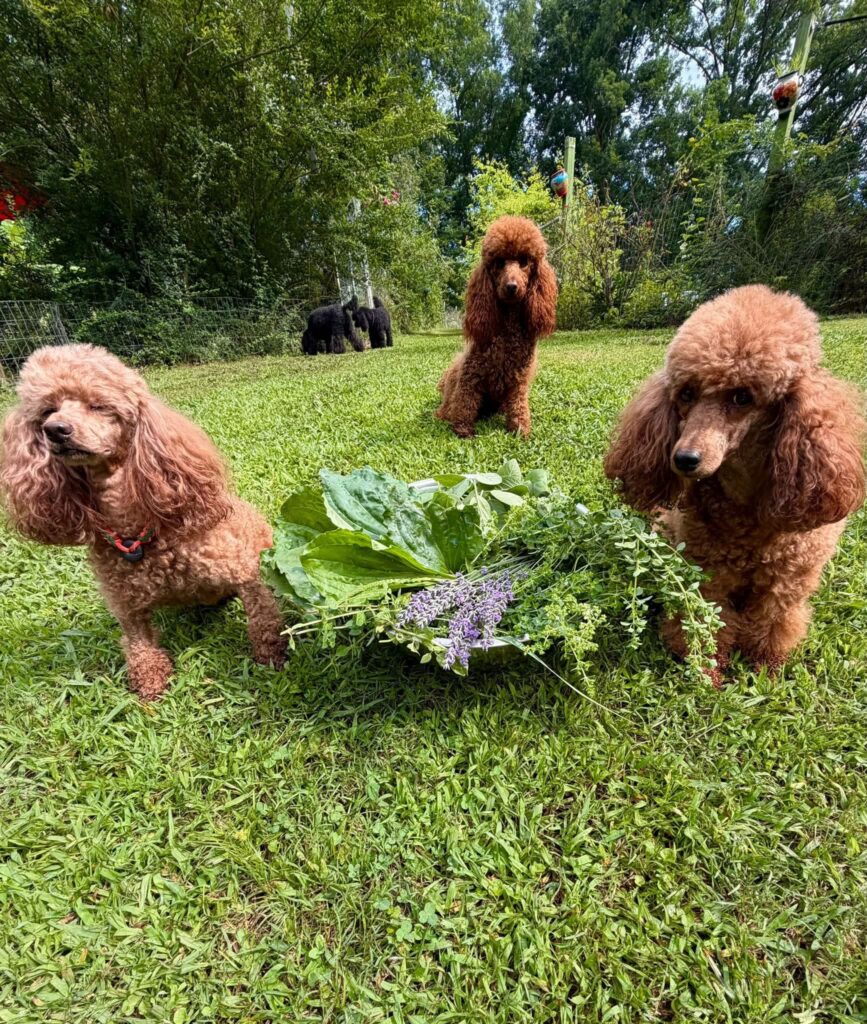
I think about this as a Poodle breeder because it is easy to talk about responsible ownership as though everyone has the same services a short drive away. They do not. A family may be willing to do what their dog needs and still face the difficulty of finding someone available, arranging transportation, taking time away from work, and paying for travel as well as treatment. Those barriers are real. They also make early planning more important.
But we need to look at the veterinarian’s side with equal seriousness. What would make a young doctor able to build a life in that community? Is there a position with useful mentorship? Can the practice support the salary, staffing, and equipment needed? Is there a path toward ownership? Can a partner find work? Are there colleagues to share emergencies? We cannot answer every one of those questions with a speech about how much someone should love animals.
If we want more rural practitioners, the people already doing the work need to be involved in preparing the next generation. Invite students into practices where they can see the patients, the budgets, the conversations, and the practical decisions. Help them understand what is rewarding and what is difficult. Give them supervised opportunities to become useful, and show them how a business can be built over time instead of expecting them to imagine a finished hospital they have no means to purchase.
I would also like to see rural commitment recognized in admissions and financial support. A student who knows the community, understands the work, and wants to return deserves a meaningful opportunity to prepare for it. Practical experience should be considered alongside academic preparation, and support after graduation matters just as much as getting someone through the door.
Mixed-animal practice belongs in this discussion too. A veterinarian caring for dogs and cats may help make the local business sustainable enough to retain services for livestock and horses. That deserves respect. The fact that someone works across species does not excuse inadequate care, but it should not become a reason to assume they are less capable before we have seen their work.
Owners must contribute to making the arrangement sustainable. Establish a relationship, keep records, call when the problem begins, pay the bill you agreed to, and have a transportation plan. The veterinarian cannot leave every other patient whenever one family needs a visit. Emergency arrangements need to be explained clearly, and clients need to understand what happens when their doctor is unavailable.
At the same time, a young veterinarian should not have to earn acceptance by surrendering every evening and every family commitment. A community that wants a professional to remain has to leave room for that person to have a life there.
I want veterinary care to remain available for the animals in rural homes. That requires education, financing, workable practices, owner preparation, and a community willing to support the people providing the care. Recruitment gets someone to arrive. What we build around them influences whether they stay.


Leave a Reply