

I have been writing about the cost of veterinary care, what it takes to keep a practice open, and how much we are asking the people inside those practices to carry. I believe those things deserve an honest conversation. But there is another part of this that we need to look at just as honestly, and that is what happens when the business begins shaping the medicine. A clinic needs to earn enough to pay its staff, maintain its equipment, and still be there when we need it next month. I understand that. What I want to know is how much room the veterinarian has to look at the dog in front of them and decide what that particular dog actually needs.
An owner makes an appointment because a dog has an uncomfortable ear. Somewhere during that appointment, the conversation expands into testing, medication, a different food, dental care, and several other services. Perhaps there are good reasons for every recommendation. Perhaps the veterinarian has found something important that the owner would never have noticed. That is part of why we take our animals to someone with medical training. But the owner should be able to understand which recommendations address the ear, which investigate why the problem keeps returning, which concern something else entirely, and which can reasonably wait. When all of it arrives as one long estimate, with very little explanation, it becomes difficult to make a thoughtful decision about any of it.
And yes, there is documentation behind the concern about commercial pressure. A 2023 study published in the Journal of the American Veterinary Medical Association surveyed 896 associate veterinarians. Those working in corporate practices reported more pressure to generate revenue and see more clients per shift than those working in independently owned practices. That study did not establish that their recommendations were unnecessary. It did establish that the pressure veterinarians describe deserves to be taken seriously.
Research commissioned by the UK Competition and Markets Authority also recorded accounts of bundled charges, software that restricted removing charges, and targets involving revenue and diagnostic work-up rates. Some veterinarians described having to explain why they had not charged for a service. Most said targets did not influence their own clinical decisions, and some described benefits from protocols. These are accounts from professionals working within those systems, and they give us something concrete to examine.
What concerns me is what happens to a veterinarian who looks at a patient and decides that a smaller plan is appropriate. Can that veterinarian make the decision, explain it to the owner, document it, and move on? Or does choosing less create another conversation with management, another explanation, another concern about how their numbers compare with someone else’s? We have already talked about exhaustion in this profession. I would like us to consider what it asks of a person to carry responsibility for the medical decision while also feeling pressure about the financial result of that decision.
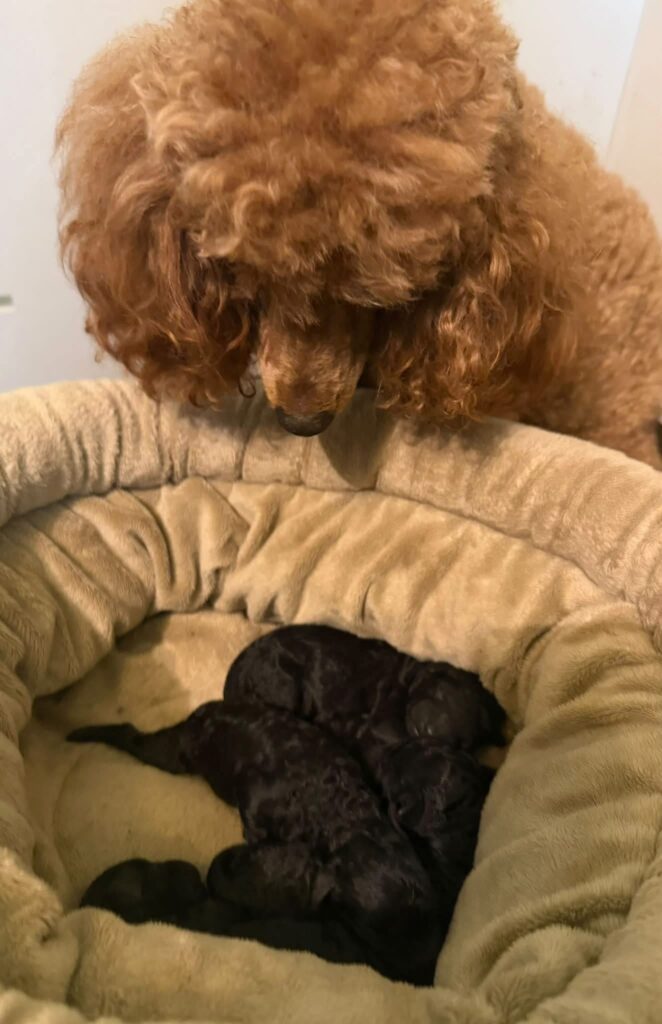
Being a naturally reared Poodle breeder means I spend a great deal of time thinking about what happens before a dog becomes a patient. What it eats, how it grows, how much it moves, how it sleeps, what its daily environment is like, and what we know about its parents and grandparents. When something changes, I want to understand what preceded it. When a problem returns, I want someone to look back through the history with me. What helped? For how long? What else changed? Have we learned something from the previous treatment, or are we simply repeating it because that is what happened last time?
Those conversations take attention. An owner may need help remembering when a problem began or realizing that the treats, chews, supplements, and things used to hide pills are all part of the feeding history. A veterinarian may need to untangle several previous treatments before deciding what to investigate next. I want a business model that recognizes that work as valuable. I want the owner to understand that paying for the veterinarian’s time and judgment can be worthwhile even when the appointment ends with fewer products than expected.
As a nutritionist, I have to bring the same honesty to my own choices. I prepare raw food for my dogs, and I care deeply about how they are raised, but my confidence in those choices does not answer every medical question. I still need to be willing to examine what I am doing, provide a complete history, and consider findings that challenge what I expected. The same responsibility applies to anyone recommending a food, supplement, medication, or procedure. Explain why it belongs in this dog’s plan. Explain what we expect it to accomplish and how we will decide whether it has helped. An owner deserves more than another purchase and the hope that this one will finally be the answer.
There are corporate veterinarians who work hard to protect that kind of care. There are independent practices where owners feel rushed and pressured, too. Ownership alone cannot tell us what happened in an examination room. But when a company controls the appointment structure, billing system, performance reviews, and financial expectations, we should be able to ask how those decisions affect the veterinarian’s freedom. The company has responsibilities here. It cannot place the burden of earning an owner’s trust entirely on the veterinarian while making business decisions that may undermine that trust.
I keep coming back to the dog because the dog is the reason any of this exists. The uncomfortable ear matters. So does understanding why it keeps becoming uncomfortable. So does making a plan the owner understands and can follow. Sometimes that will require substantial testing and treatment. Sometimes careful assessment will lead to a simpler approach. I want the veterinarian to have room to arrive at either conclusion based on the patient, and I want a clinic to be able to remain financially healthy while supporting that judgment.
In the last post, I wrote that dedication does not pay a student loan or keep a clinic open. I still believe that. I also believe we need to look carefully at how the money is earned and what the system rewards. If we want thoughtful, individual care, we have to make room for the time, independence, and ongoing relationship that allow it to happen. A veterinarian should be able to say, “This is what your dog needs today, and this other thing can wait,” and know that the business behind them will support that decision. ❤️🐾❤️


Leave a Reply