

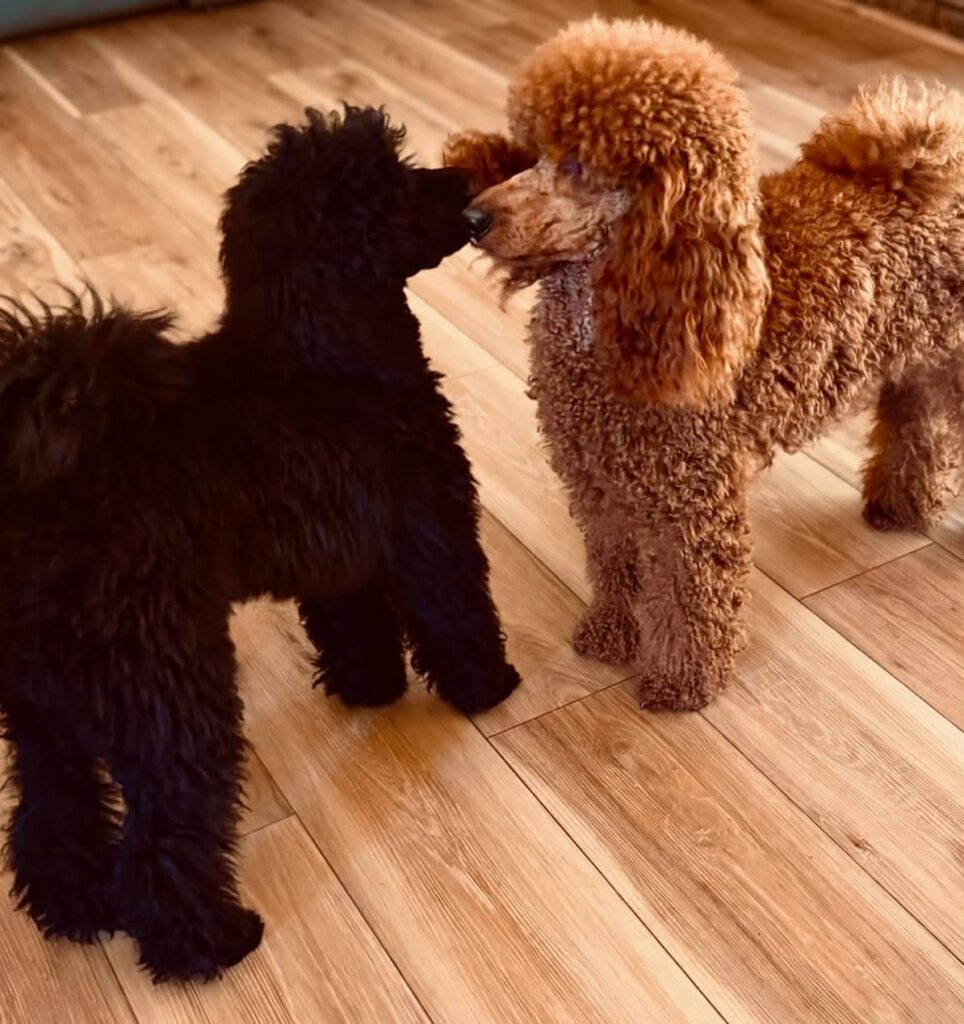
I have strong feelings about preserving hormones, and I do not hide that. As a breeder, I want reproductive decisions to consider the dog’s whole life, and I want owners to know that preventing pregnancy and removing the gonads are distinct decisions. But if I am going to ask the veterinary profession for a thoughtful conversation, then I also have to be willing to make that conversation more thoughtful myself.
There are several questions that often get compressed into one argument about when a dog should be “fixed.” How will pregnancy be prevented? What reproductive diseases are relevant? What does the individual dog’s health suggest? What can this household manage reliably? Are hormone-sparing procedures an appropriate option, and is there a veterinarian available who performs them competently? What risks remain afterward? Those are practical questions, and owners need clear answers rather than another fight between people who assume the worst about each other.
What I do not think we discuss nearly enough are ovary-sparing spay (OSS) and vasectomy. Too often, owners hear only two choices: leave the dog intact or remove the ovaries or testes. They may never learn that pregnancy prevention and hormone removal can be separate decisions. These procedures deserve a place in the conversation, with clear explanations of their benefits, limitations, remaining risks, and management needs. Owners should not have to discover them by chance after an irreversible decision has already been made.
A family with an intact Poodle needs more than a statement that hormones matter. They need to understand management, heat cycles where relevant, separation, escape prevention, changes that warrant a veterinary call, and what their chosen procedure does and does not accomplish. A vasectomy prevents reproduction but leaves the testes in place. An ovary-sparing procedure retains ovarian tissue. Neither should be presented as a way to remove every future concern, and neither should be dismissed without discussing the actual dog and circumstances.
I also want more honesty about the evidence used in these conversations. An association between reproductive status and a disease deserves consideration, but it does not mean every dog will have that outcome. A condition occurring in an intact dog does not erase a possible association in another population. We have to be able to discuss risk without turning individual dogs into proof that everyone on the other side is wrong.
And lifestyle still deserves attention. Body condition, appropriate movement, nutrition, structure, family history, and the environment matter whether the dog is intact or altered. Preserving hormones does not relieve me of the responsibility to keep a dog appropriately conditioned. Choosing gonadectomy does not mean an owner has stopped caring about long-term health. We should be helping each other understand the complete picture instead of using one decision to judge the person.
What frustrates me is how often the owner is left holding the confusion. They hear one recommendation from the breeder, another from a clinic, another from a trainer, and ten more online. Then, when a problem occurs, someone asks why they did not know better. We need to take responsibility for explaining what we know, how certain we are, and where the decision depends on the individual.
My preference for hormone preservation remains important to me. I want access to veterinarians who can discuss it seriously, explain available procedures, and help families make informed plans. I also want owners to understand that keeping a dog intact requires dependable management, and that a reproductive emergency deserves prompt attention regardless of what anyone previously hoped to avoid.
A useful conversation should leave the family with a decision they understand and can carry out. The dog will live with the procedure, the management, and the follow-up. That is where our attention belongs. ❤️🐾❤️


Leave a Reply