

Part 1:
I’ve always been—and still am—completely opposed to the idea that feeding dogs should be dictated by centralized systems, corporate labs, or profit-driven algorithms. Yet that’s exactly what’s been happening. The big players—Purina, Mars, Hill’s, and now the polished subsidiaries of “raw” conglomerates—continue to act as though we were meant to feed our dogs from bags, track nutrition through apps, and trust sterilized formulas developed in boardrooms.
The model they’re pushing is obvious: a top-down feeding system, wrapped in the language of “convenience,” “safety,” and “science,” but ultimately designed for one thing—control. Control over what counts as “complete,” control over what’s considered “safe,” control over what’s permitted in your dog’s bowl, and control over the gatekeepers you must go through to access it. It doesn’t take much to see where this ends. Just look at what happened to human food: seed oils, food pyramids, fortified junk, and a nation of people dependent on prescriptions to clean up the consequences.
And now it’s happening to dogs—with a raw label slapped on top.
We can’t afford to be naïve about the direction the pet industry is moving. Raw feeding is rising. That part is undeniable. But the corporate world is no longer fighting it—it’s capturing it. And like every tool of power throughout history, that capture comes disguised as progress. A shiny label here, a freeze-dried nugget there. A sterilized meat slurry sold as “raw,” backed by sterile lab tests and shelf-life guarantees.
But here’s the truth: not all raw is created equal. And just like technology, raw feeding can be a tool of liberation—or a leash of control. It all depends on who’s holding it, and what their intention is.
This isn’t about rejecting innovation or refusing to evolve. It’s about demanding that the evolution serves the body, not the system. That it protects autonomy, honors physiology, and nourishes life without compromising the wild design of the dog.
Because the real threat isn’t synthetic kibble anymore. The real threat is synthetic raw.
It looks the part. It says the right things. It mimics the structure of meat. But it is not built on nature. It is built on convenience, scale, and compliance. The moment food must pass through a factory, be high-pressure pasteurized, require synthetic balancing, and carry a feeding chart approved by a committee—it is no longer instinctual. It is institutional.
So here’s the question worth asking:
What if the concept of raw feeding wasn’t inherently healing… but simply depended on who controls it?
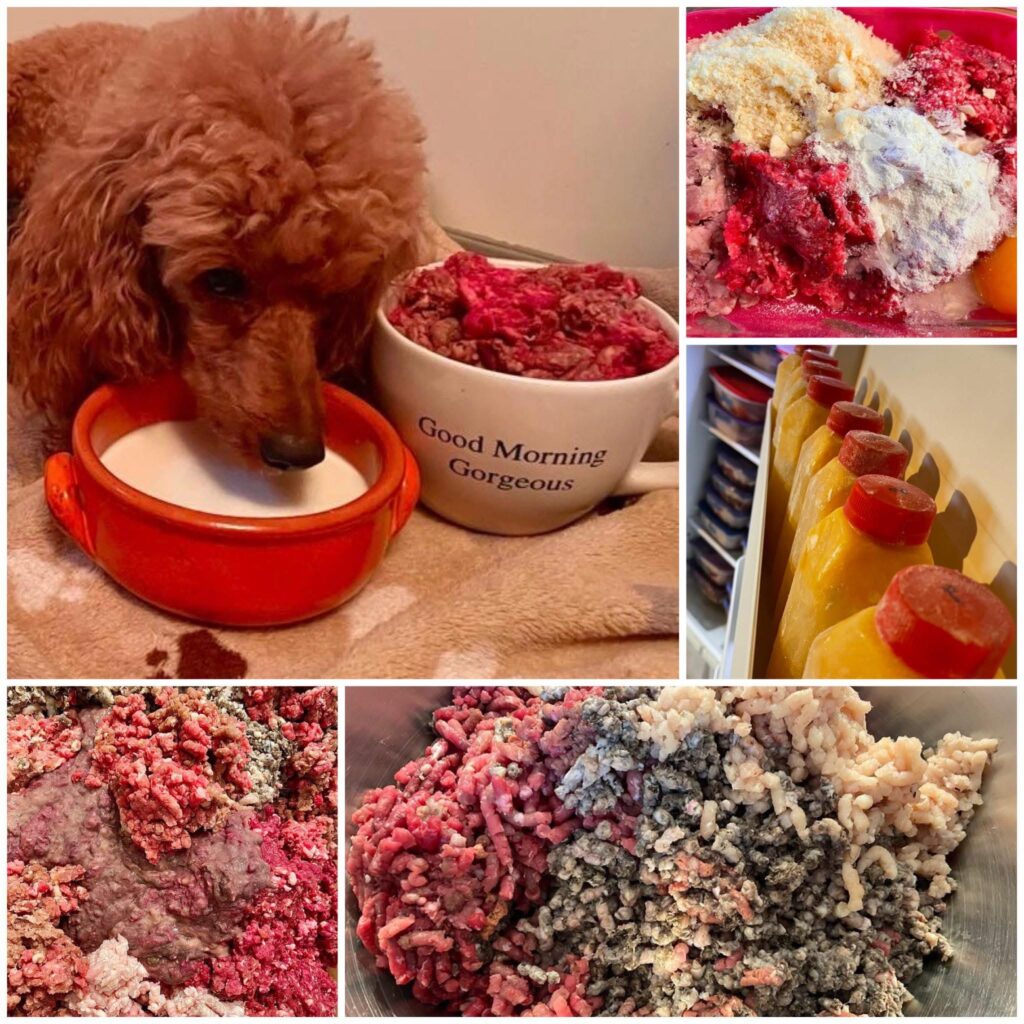
There’s a radically different way to feed—one that returns power to the guardian, not the company. A decentralized, nature-rooted model where you decide what goes into the bowl. You source the prey. You rotate the organs, balance the glands, learn the terrain of your own dog, and adapt. No middlemen. No shelf-stable dogma. No feeding formulas written for “the average.” Just a primal, intelligent, species-aligned way of feeding that honors the predator—not the consumer.
In a world where even raw is being processed into submission, maybe the real debate isn’t “Should dogs eat raw?” but rather, “What kind of raw—and who does it serve?”
Feeding prey as nature intended—without outsourcing that wisdom to a label designed for shelf life, not species needs.
Including glands and organs in their rightful proportions, not sidelined or sterilized for the sake of convenience.
Following a feeding rhythm grounded in the structure of whole prey, not in overprocessed formulas or one-size-fits-all charts.
And instead of trusting food that’s been manufactured, freeze-dried, and sold back to you as “close enough,” reclaiming the role of guardian—offering meals that mirror the wild: raw, real, and biologically aligned.
That’s not the future Big Pet wants.
But it is what real guardians are building.
So maybe the question isn’t: “Are you for or against raw?”
Maybe it’s: “Are you feeding from a place of corporate control—or natural sovereignty?”
Because those two cannot coexist.
And if we don’t protect the raw feeding model that honors instinct and decentralizes control, rest assured—they will build a version that neuters it into compliance.
And call it progress.
Part 2:
Following on from my last post, I want to unpack what I believe is becoming one of the most pressing questions in canine health today—not just whether dogs are eating raw or kibble, but what kind of raw, and who defines it, because not all raw models are created equal. Some nourish from instinct. Others pacify with illusion.
And I say this especially to those of us who have spent years pushing back against the industrial feeding model—the one that told us that dry pellets, sprayed with synthetic vitamins, were all a dog would ever need. We’ve been absolutely right to question it. And I’ll continue to do so. But I also think it’s time we sharpen our discernment around what’s being marketed as “raw” now that raw has become profitable.
Because here’s what’s happening: the kibble world is dressing up.
Suddenly, you see “ancestral” formulas. You see freeze-dried toppers. A few bits of organ dust or HPP-processed chunks of “raw” are tossed into a bag of starch and called a breakthrough. You’re told it’s “closer to nature.” But it’s not. It’s closer to the marketing department’s idea of what sounds natural—just close enough to silence your questions, but never close enough to awaken the body.
Because make no mistake—this isn’t about honoring nature. This is about keeping one foot in the synthetic model while pretending to evolve. It’s a halfway house of nutrition: sterilized, supplemented, processed, and profit-driven. A mimicry of instinct. A breadcrumb trail back into the very system we were trying to leave behind.
It sounds convenient. It looks cleaner. It’s easier to scoop. But what gets lost? Wildness. Microbiome diversity. Real prey. The ritual of tearing, chewing, and nourishing with texture, temperature, blood, and bone. The raw-fed body isn’t just fed—it’s activated. And you cannot activate a carnivore with something that once resembled meat but is now indistinguishable from shelf-stable powder.
Now contrast that with the model we’re building—those of us who believe dogs deserve more than a dusting of instinct on a foundation of filler.
Because true raw feeding isn’t a brand. It isn’t a buzzword. It’s a birthright—the kind of feeding that honors physiology, not marketing. It gives the guardian the tools, not just a product. It invites a return to instinct, not a performance of it.
Raw-flavored kibble isn’t enough. A few freeze-dried flecks don’t make a prey animal whole. Formulas that approximate nature still fall short of it. No amount of synthetic patchwork can replace what real organs, bones, glands, and blood were designed to do. This isn’t about feeding for convenience or compliance—it’s about rekindling the primal blueprint written into every canine cell.
Because there’s a difference between imitating nature… and trusting it.
And that difference determines whether your dog is fed like a consumer—or like a carnivore.
This is not about gourmet feeding. It’s about sovereignty—over food, over health, and over the very design of the canine body.
Because true raw feeding isn’t a brand. It isn’t a buzzword. It’s a birthright—the kind of feeding that honors physiology, not marketing. It gives the guardian the tools, not just a product. It invites you to remember what a carnivore is, not what the bag claims they’ve become.
So again, this isn’t about rejecting all convenience—it’s about rejecting the commodified version of raw that keeps dogs on the leash of dependency. It’s about seeing through the illusion that kibble with freeze-dried crumbs is somehow “elevated.”
Because raw feeding is rising. And the system knows it.
So the real question becomes:
Will your dog’s raw journey be sold to you—or built by you? ❤️ 🐾❤️
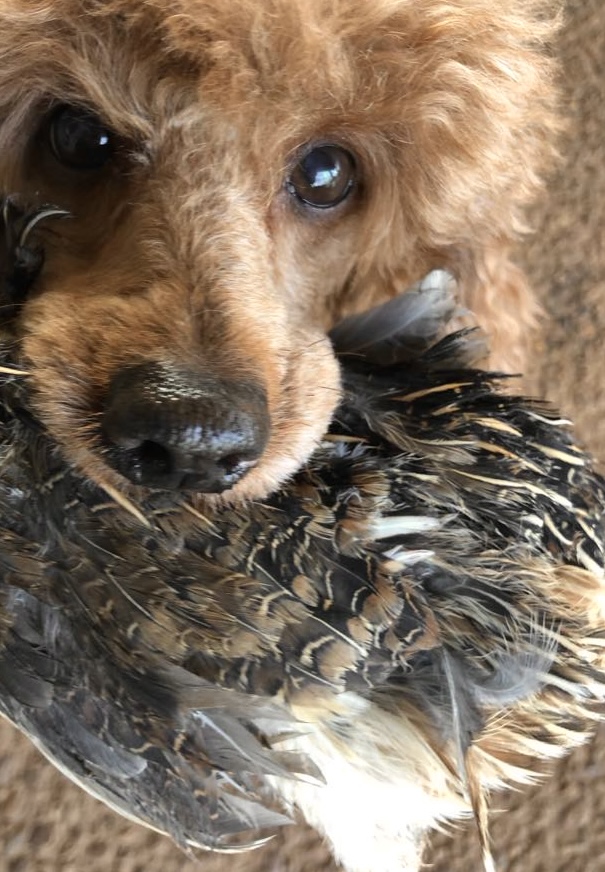
P.S. I miss my precious grand old lady—nothing lit up her eyes quite like a whole quail dinner.


Leave a Reply