

Part 13 of The Breeder You Become series
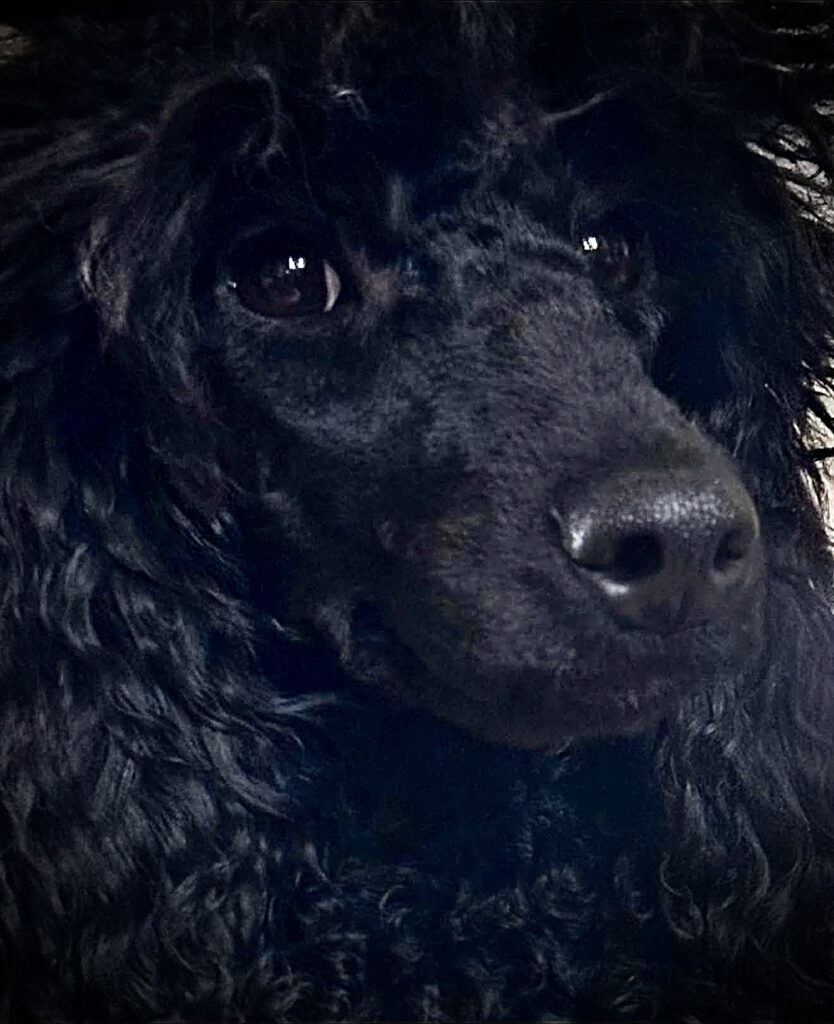
I wrote a puppy care guide for my families that is nearly 200 pages long, which might sound excessive until you think about how many decisions are made for a puppy before he ever leaves the breeder’s home. I wanted families to understand what I had done, why I had done it and what I hoped they would consider as he grew, because I knew they would soon be surrounded by advice from veterinarians, trainers, friends and people online who had never met their puppy but were quite certain they knew what he needed.
Feeding alone can leave a family completely confused. Even within holistic circles, you may hear ten different explanations of how to feed a dog naturally, with strong opinions about ingredients, amounts and methods from people who all believe they are helping. I have spent years studying nutrition and raising my dogs this way, and I still encounter questions that send me back to learn more. We are trying to care for individual dogs as well as we can, while our understanding continues to develop. How is a family new to all of this supposed to know which confident voice to follow?
That is why I wrote the guide, and it is also why the guide is not enough.
Most families will not follow it closely, and I doubt anyone follows every part of it. They have a real puppy in their house, advice coming from every direction and decisions that cannot always wait until they have reread fifty pages. I want them to call me because I know the puppy’s family, remember how he was raised and may be able to help them sort through what applies to him. Sometimes I can offer an answer. Sometimes I can help them recognize which question needs to go to their veterinarian. Other times I need to listen carefully because the family is seeing something in this individual dog that I have not seen before.
I do not think a breeder is being possessive simply because she wants to remain involved after a puppy goes home. When I bred the litter, I accepted responsibility for bringing those dogs into the world, and sharing what I have learned is one way I continue to honor it. A family choosing one of my puppies should know that I care deeply about how he is raised and that I will explain my recommendations. If someone has no interest in that relationship, I may be the wrong breeder for them.
The harder question is what happens when my experience and the family’s experience lead us to different conclusions.
I can tell them what I have learned from several generations of dogs. They can tell me what happened with this dog yesterday morning, how he responded to a change or what they have been struggling to manage at home. My years of experience matter, and so does the information only they can give me. If I dismiss their observations because I wrote the guide, I may be protecting my authority while missing something important about the puppy.
Breeders often say we want families to be honest with us, yet honesty becomes difficult when a person expects the first response to be, “Why didn’t you do what I told you?” Someone who changed a food, followed different advice or waited too long to mention a concern may already feel uneasy about calling. If I make that call feel like a confession, the next time they may say less or call someone else. Then I have lost the opportunity to help the dog, even while insisting that my guidance should have been followed.
Come on. What good is being right about the guide if I no longer know what is happening with the puppy?
That thought has made me reconsider what it means to pass on knowledge. Writing down everything I can remember is worthwhile, but a person also needs to learn how to observe the dog, weigh advice and recognize when the original plan needs another look. If the family can act only when I tell them exactly what to do, I have made myself necessary to every decision. I may feel reassured by how much they rely on me, while the dog remains dependent on my being available.
The same problem appears when an experienced breeder mentors someone who hopes to continue a line. I understand why a breeder is careful. She knows the health history behind the pedigree, remembers the disappointments that never appeared in an advertisement and worries that one careless decision could undo years of work. A newcomer needs guidance, access to honest information and time to demonstrate judgment. Handing someone a breeding dog without teaching the history behind that dog is hardly a gift to the breed.
But what are we preparing that person to do?
If every answer must come from the mentor, every mating needs her approval and every disagreement is taken as proof that the younger breeder is not ready, then the relationship can continue for years without anyone becoming more capable. The mentor calls it protection because she is afraid of what might happen if she lets go. The younger breeder may perform the work and carry the expenses while never being allowed to make a meaningful decision.
A person cannot learn judgment by being required to borrow someone else’s forever.
I would want someone learning from me to understand why I chose a mating, what appeared in the puppies, which health information changed my plans and where I believe I made mistakes. I would expect questions and some decisions I might not have chosen myself. Those conversations would tell me far more about their readiness than whether they repeated every opinion I have ever held. If I have taught them well, I should be able to hear their reasoning even when I disagree with the conclusion.
This is difficult because a breeding program is deeply personal. We use the words “my dogs,” “my line” and “my work” because we have cared for the animals and made the decisions, sometimes at considerable cost. I look at a pedigree and remember the living dogs, the years between litters and the reasons a particular puppy stayed. It can feel frightening to imagine another person taking that family somewhere I would not have taken it.
That fear deserves honesty. It should not quietly become the organizing principle of the program.
Preservation asks us to protect what is valuable so it can continue to serve the dogs and the breed. Possession asks how we can prevent anyone from doing something we would not do. For a while those motives may lead to the same decision: refusing a mating, withholding breeding rights or waiting for more health information. The difference appears over time. Is someone being taught enough to care for what we know? Is there a reasonable path for a capable person to earn trust? Can useful information leave our heads, and can good genetics leave our hands, without every future choice remaining under our authority?
There are good reasons to say no. Some dogs should not reproduce, and some people should not receive breeding rights. A breeder should never feel obliged to share a dog simply because someone asks. But if the answer is always no unless the breeder remains in control forever, we have to consider what happens to the family of dogs when that control is no longer possible.
I can see a smaller version of that problem in my own care guide. Nearly 200 pages represent an enormous amount of thought, yet I still know things about my dogs that I have not managed to put on a page. I know how one dog behaves before she is unwell, what a particular family tends to produce and which seemingly small detail would make me reconsider a plan. Families and other breeders can learn much of that from me, but only if I share it, listen to what they learn and allow their understanding to grow beyond my instructions.
The goal cannot be to make everyone else a copy of me. I want puppy families who can care thoughtfully for the dogs they live with, and I want people who may continue this work to understand the dogs well enough to make responsible choices when I am not in the room. They may still call me, and I hope they will. Their ability to think carefully without me would be evidence that I had taught them something worth keeping.
I think that is the test I have been looking for. Am I sharing my experience so that other people can care for these dogs well, or am I keeping every decision close because being needed feels safer than trusting what I have taught? The answer may be uncomfortable, especially for a breeder who has spent years carrying the consequences when others were careless. Yet the dogs will eventually need capable people beyond us, and those people cannot appear fully prepared on the day we need them.
Part 14 looks at that day more directly. It asks whether the program can survive a year in which the breeder is ill, overwhelmed or simply unable to do what she has always done. Before making those practical plans, though, we have to admit why planning can be so hard: so much of the work lives inside one person because that person has spent years learning to do it herself, protecting it herself and finding it difficult to trust anyone else with it.
I understand that feeling.
I also know the dogs deserve a future that does not depend on my being there to explain everything.


Leave a Reply